









Strong Q1 for Bike24 with localised markets up 30%
Stock-listed e-commerce bicycle retailer Bike24 Holding AG has gotten off to a strong start in the new year. The Dresden-based company posted not only first-quarter double-digit growth, but also a significant improvement in adjusted EBITDA.
Laka continues acquisition spree with VeloLife deal
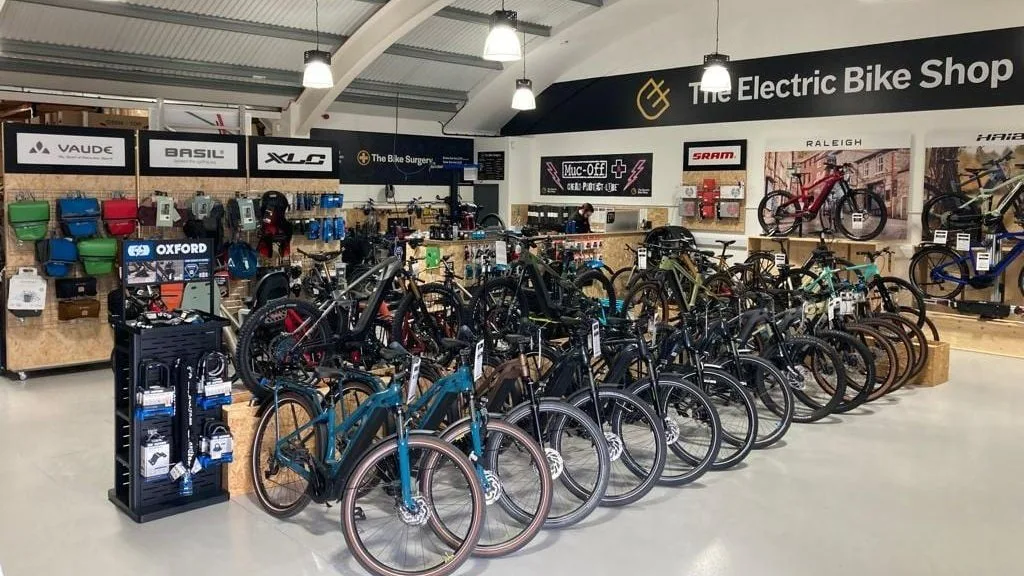
Laka is continuing its aggressive expansion in the bike insurance business with its acquisition of UK specialist insurer VeloLife, marking the company's fourth acquisition since 2023. This is the company's first publicly announced deal tied to its recently expanded M&A (mergers and acquisitions) strategy.

Ideal Bike Corporation sees revenue evaporate
Sales at Taiwan's third largest bicycle manufacturer Ideal Bike Corporation, follow a similar trend as the country's two other main producers Giant and Merida. In January, sales suffered a sharp 53% year-on-year decline; in February, they saw a 17% decline, followed by another 31.4% decrease in March. Even though these three companies' sales continued to decline by double digits compared to January-March 2025, they appear to have shifted into the lowest gear.

Merida revenues remain under pressure despite March stabilisation
Merida Industry's first quarter 2026 results show the company is absorbing a significant year-on-year sales decline as it works to mitigate the industry downturn. The Taiwanese company reported Q1 revenue of NT$5.49 billion (€147 million), down around 27% year-on-year, following a rollercoaster start to the year. Sales fell sharply by 44% in January and 22% in February, before easing to a 17% decline in March, hopefully an early indication that the steepest phase of the downturn is passing.

Rim producer Schürmann shuts down amid economic strain
The persistent difficulty of the economic conditions in the bicycle industry has forced German rim producer Schürmann to close down its operation.

Hyena CEO Charlie Chuang: "We want to build systems for tomorrow's e-bikes"
A strong industry ecosystem thrived in Taiwan's bicycle industry for decades, enabling the successful launch of start-ups like Hyena. This ecosystem was damaged during the inventory crisis and Hyena CEO Charlie Chuang is calling for a rebuild of this system. Today, his company is one of the few Taiwan-based full e-drive system suppliers serving American and European customers.
 SponsoredSponsored
Sponsored Future e-bike drive systems - smarter, not just more power
In the early days of e-bikes, the race was simple: more torque, more watts, more bragging rights. But today, the real battleground is somewhere else entirely, efficiency, intelligence and rider safety.

Frog Bikes secures buyer as Frasers Group steps in
After filing for insolvency in February 2026, Frog Bikes has secured a buyer to continue its legacy as the royally-endorsed United Kingdom kids' bike brand. The brand's acquisition has been confirmed by Frasers Group, a conglomerate owned by British billionaire Mike Ashley.

Giant's downturn deepens amid prolonged headwinds
Giant Group's financials continue to reflect the significant headwinds the industry is facing as the glut drags into a third year. The company reported Q1 2026 revenue of NT$12.52 billion (€336 million), down around 25% year-on-year, following steep monthly declines of more than 20% in January and 40% in February.

Taipei show tests industry outlook
Taiwan is future-focused, that much was apparent to attendees of the Taipei Cycle Show 2026. But beneath the optimism, export declines and changing production chains show the nation's bicycle sector is in transition. Production value is increasingly generated beyond Taiwan's borders, as manufacturing shifts to neighbouring markets such as China, Vietnam and Europe through Taiwanese-led supply chains.

Shanghai Show 2026 will showcase China's next role in supply chain
The China Cycle Show 2026 can count on more international interest than before. Driven by the sports market and the country's fifteenth five-year plan (2026-2030), local manufacturers have recognised the value of brand building, a trend quickly being adopted by other categories. The nation's shop window to the rest of the world showcases the progress of its bicycle industry.

Bosch eBike Systems CEO Fleischer: 2025 marked a turning point in the market
Volatile trade policies, a challenging market environment, unfavourable currency effects and intensified competition shaped Bosch Group's 2025 financial results. Against this backdrop, their expectations for 2025 have not been met, and sales revenue rose slightly by 4.1% after adjusting for exchange-rate effects. Bosch eBike Systems CEO Claus Fleischer gives insight into what this means for the e-bike industry.

French bike market declines in 2025 as e-bike sales slow sharply
All indicators for the 2025 French market were negative. The total market volume decreased by 6%, while the revenue was down 4.8% year-on-year. The average retail price declined slightly, and the e-bike sales dropped 16%. This contraction comes amid a challenging economic environment but also reflects a more structural shift: the end of the post-Covid catch-up effect and the withdrawal of purchase incentives.

Halford's cycling segment dominates growth performance for FY26
British bicycle manufacturer and industry barometer Halfords Group UK reports strong performance in its bicycle segment for FY26 (April 2025 - April 2026). The Group says sales have increased across its core industries of automotive, retail and leisure, but none have seen as much progress as its cycling division, which climbed 6.4%.

Belgium pulling ahead of neighbouring markets with steady growth
Contrary to almost all other European countries, the Belgian bicycle market is performing very well. After the 2022 peak, the market bounced back to a pre-pandemic level, and has not been affected by the sustained decline seen in Germany, Italy and the Netherlands. In 2025, the Belgian market even experienced a 7.1% increase to 578,737 units in total. What made this Belgian miracle?
Decathlon grows through a tough 2025
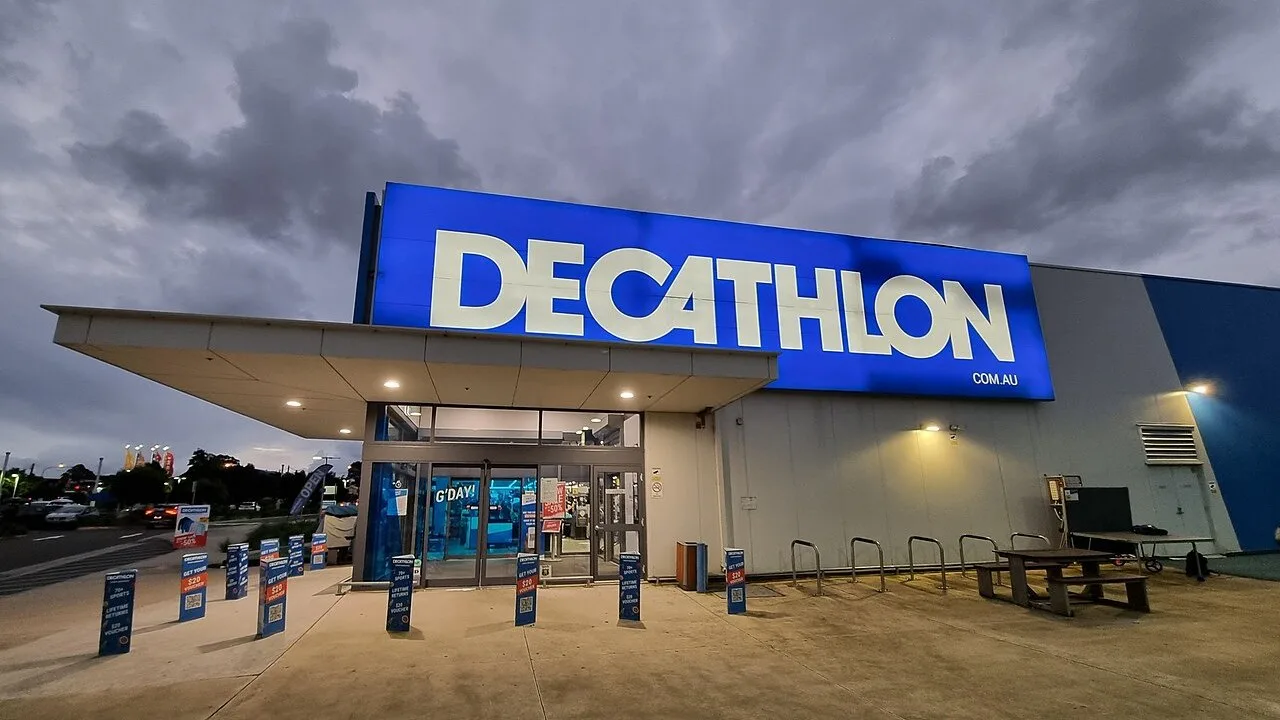
Decathlon S.A. reported steady growth in 2025, even as market development across the sporting goods and bicycle sectors remained uneven. The French retailer reports increased revenue and profitability. At the same time, limited disclosure around category-level performance, especially in cycling, leaves open questions about where that growth is coming from and how sustainable it may be.

Inventory glut tests Bulgaria's bike sector resilience
The Bulgarian bike sector is steadily developing these days despite the existing challenges and a serious overstocking in the local market. In fact, the industry and major local manufacturers have gone through an extremely dynamic and challenging period. After the euphoria of pandemic sales, the sector has faced supply chain disruptions, overstocking and macroeconomic headwinds. Despite the decline in sales volumes, the trend toward electric bicycles and micromobility offers some optimism, with the European market expected to double by 2030.

Hydrogen bike pioneer Pragma Industries enters liquidation
Pragma Industries, known for its pioneering technology in hydrogen-powered bicycles, has filed for liquidation. This move, while not entirely unpredictable given the company's admitted difficulties last year, brings an abrupt end to more than two decades of work in the fuel-cell mobility sector.